

Telly AppTelly App
Practice speaking a new language by being prompted to tell stories on the spotPratique falar um novo idioma sendo desafiado a contar histórias na hora
Telly encourages the construction of stories in English, building greater confidence in oral conversation skills.Telly incentiva a construção de histórias em inglês, desenvolvendo mais confiança nas habilidades de conversação oral.
- UX/UI designUX/UI design
- app designapp design
- UX researchUX research
- MVP testingTeste de MVP
- user testingtestes com usuários
- 20232023
Made in Apple Developer Academy at PUC-PRDesenvolvido na Apple Developer Academy da PUC-PR
Team: Felipe Passos (development), Caio Zanolla (product design), Gemeli (visual identity and illustrations), Heloísa Pereira (development), Júlia Savaris (UX/UI design)
Equipe: Felipe Passos (desenvolvimento), Caio Zanolla (product design), Gemeli (identidade visual e ilustrações), Heloísa Pereira (desenvolvimento), Júlia Savaris (UX/UI design)

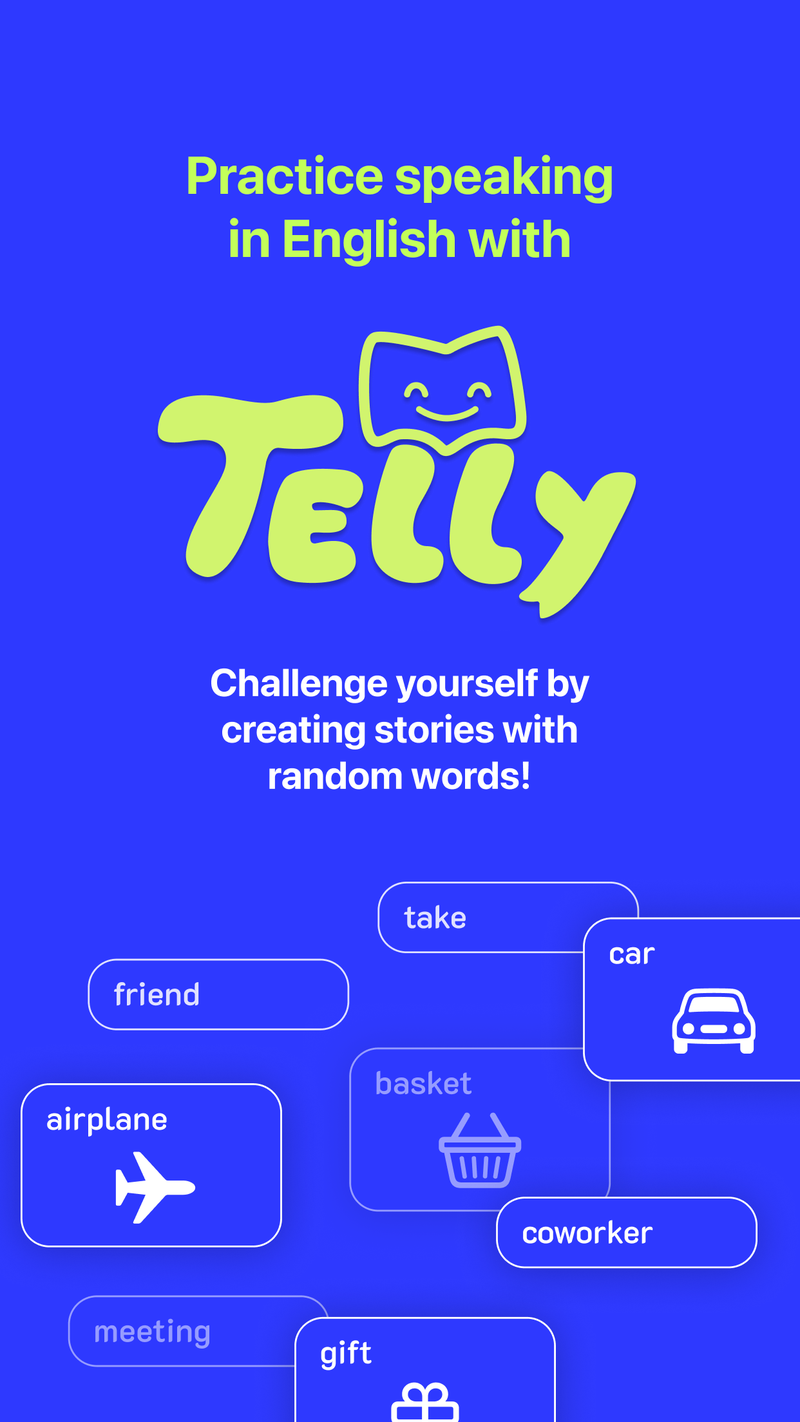
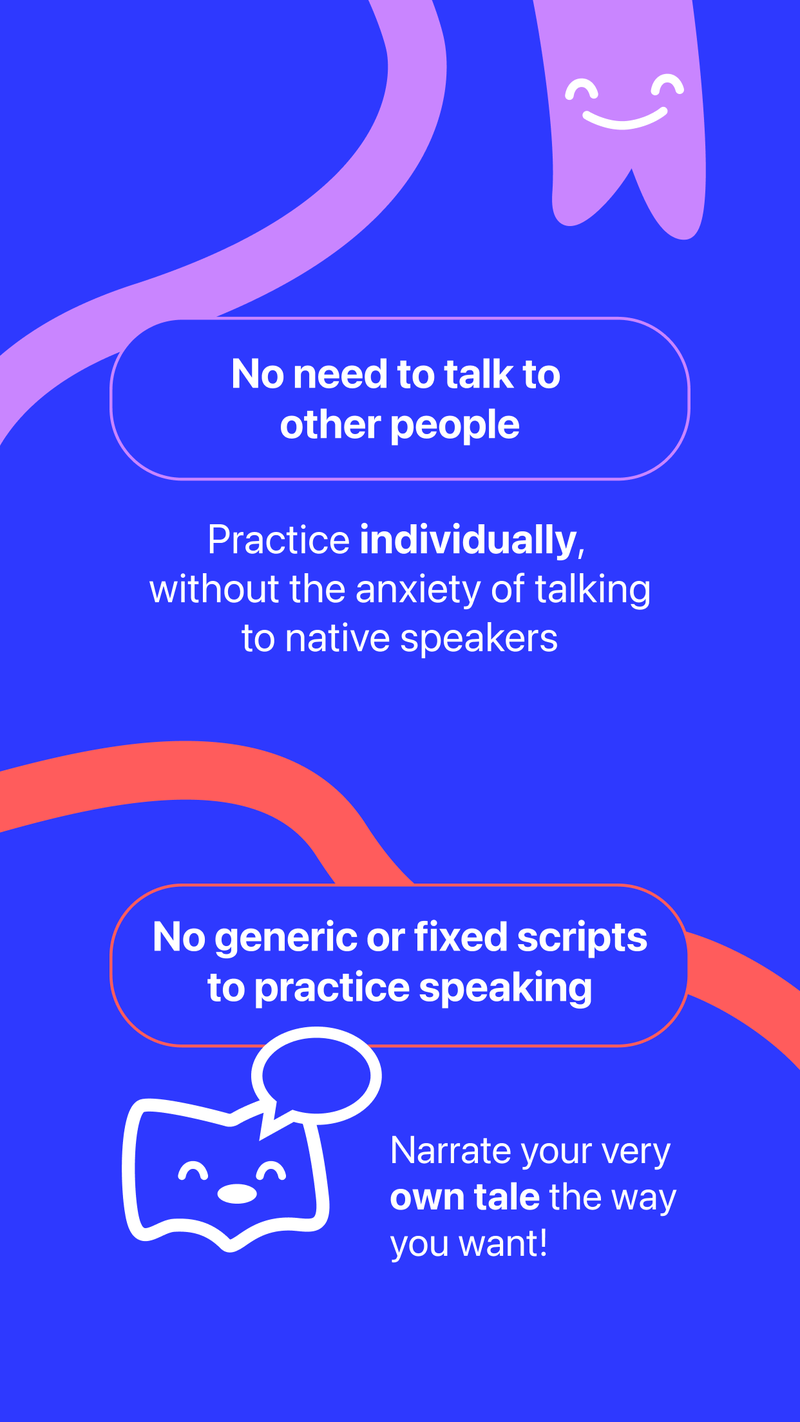
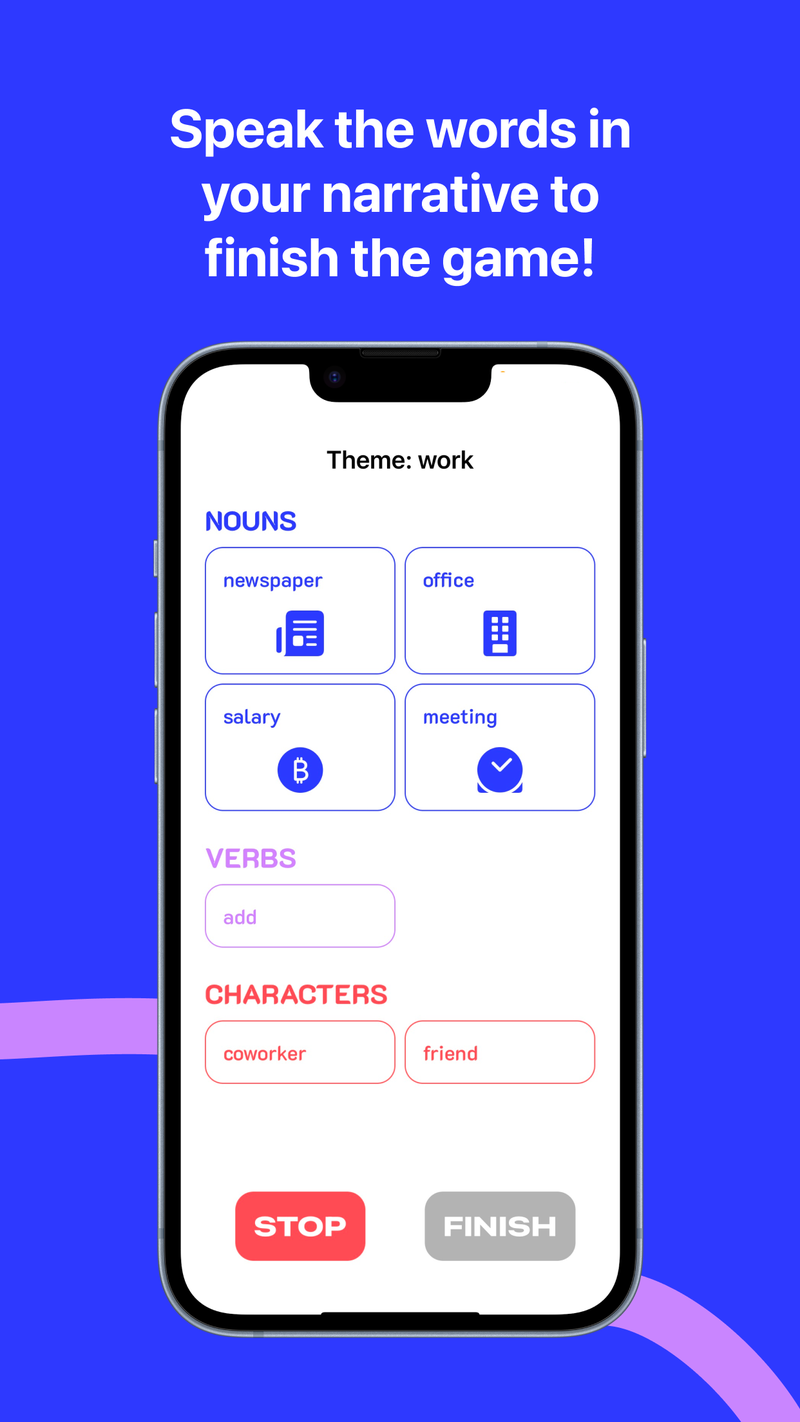
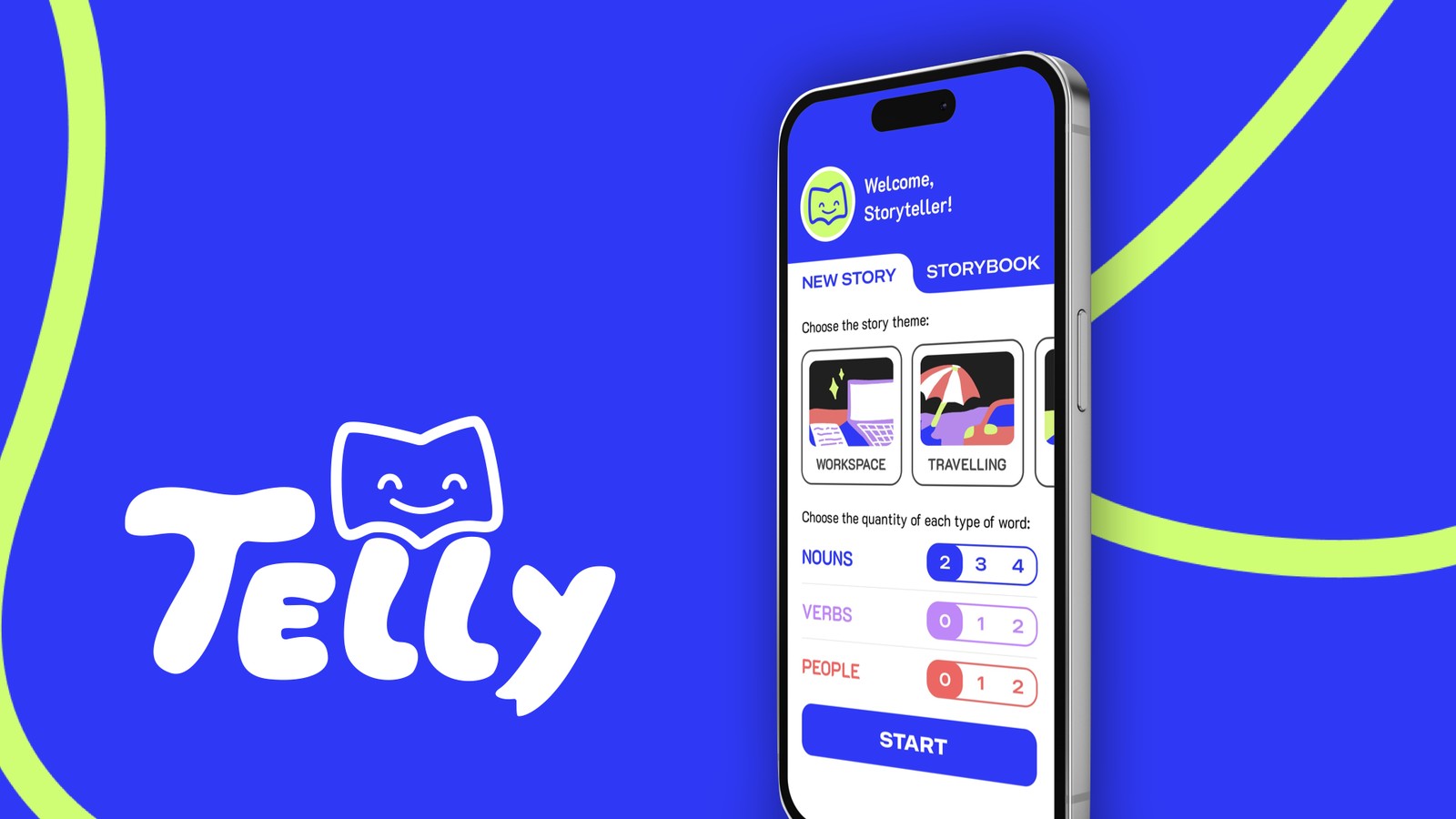
Telly is a free app that helps people practice English conversation through improvisation. Users build stories from random words related to a theme chosen before the round begins. This turns English practice into something more playful, bringing more confidence when it’s time to put words together and speak out loud.Telly é um app gratuito que ajuda as pessoas a praticar conversação em inglês por meio de improviso. Os usuários constroem histórias a partir de palavras aleatórias relacionadas a um tema escolhido antes de começar a rodada. Isso transforma a prática do inglês em algo mais divertido, trazendo mais confiança na hora de juntar as palavras e falar em voz alta.
Design ProcessProcesso de Design
Challenge Based Learning
Big Idea: LanguageBig Idea: Idioma
Essential Question: How can we help people who feel insecure with a new language express themselves verbally?Essential Question: Como podemos ajudar pessoas que se sentem inseguras com um novo idioma a se expressarem verbalmente?
Refined Challenge: Support the development of oral conversation skills in a foreign language.Refined Challenge: Apoiar o desenvolvimento de habilidades de conversação oral em um idioma estrangeiro.
Solution Statement: A game that encourages the construction of stories in English, building greater confidence in oral conversation skills.Solution Statement: Um jogo que incentiva a construção de histórias em inglês, desenvolvendo mais confiança nas habilidades de conversação oral.
Storytelling Concept TestTeste de Conceito de Storytelling
Before building any part of the app, we validated the core storytelling mechanic through a low-cost MVP test: participants were simply shown sets of words and asked to tell a story on the spot. No app, no interface, just the raw prompts. Each person was tested individually, but the word sets were split into four different formats so we could compare how each shaped the storytelling experience.Antes de construir qualquer parte do app, validamos a mecânica central de storytelling por meio de um teste de MVP de baixo custo: os participantes simplesmente recebiam conjuntos de palavras e eram convidados a contar uma história na hora. Sem app, sem interface, apenas os prompts brutos. Cada pessoa foi testada individualmente, mas os conjuntos de palavras foram divididos em quatro formatos diferentes para que pudéssemos comparar como cada um moldava a experiência de contar histórias.
Group: nouns, verbs, and charactersGrupo: substantivos, verbos e personagens
Combining nouns, verbs, and characters gave participants the richest material to work with. Characters in particular seemed to entertain users more, adding a playful, personal quality to the stories. The main challenge was pacing: stories tended to repeat themselves and were difficult to wrap up.Combinar substantivos, verbos e personagens deu aos participantes o material mais rico para trabalhar. Os personagens, em particular, pareceram divertir mais os usuários, adicionando uma qualidade lúdica e pessoal às histórias. O principal desafio foi o ritmo: as histórias tendiam a se repetir e eram difíceis de concluir.
Group with the addition of emojisGrupo com adição de emojis
Adding emojis alongside the words made narration noticeably easier. Participants identified which terms to use more quickly, though a few words were occasionally forgotten or left unspoken during the story.Adicionar emojis junto às palavras tornou a narração visivelmente mais fácil. Os participantes identificavam quais termos usar mais rapidamente, embora algumas palavras fossem ocasionalmente esquecidas ou deixadas de lado durante a história.
Only nounsSomente substantivos
Limiting prompts to nouns alone resulted in shorter, less creative stories. Without verbs or characters to build around, and with no connecting theme between the nouns, participants had less to work with and struggled to develop a fuller narrative.Limitar os prompts apenas a substantivos resultou em histórias mais curtas e menos criativas. Sem verbos ou personagens para construir em torno, e sem um tema conectando os substantivos, os participantes tinham menos material para trabalhar e tinham dificuldade em desenvolver uma narrativa mais completa.
Group with emojis and drawing while creatingGrupo com emojis e desenho durante a criação
This group tested a specific hypothesis: that sketching while telling a story could make the exercise easier or more engaging. In practice, we found the opposite. Participants had difficulty narrating and drawing at the same time, though the stories that did emerge were told more simply.Esse grupo testou uma hipótese específica: que fazer esboços enquanto conta uma história poderia tornar o exercício mais fácil ou envolvente. Na prática, encontramos o oposto. Os participantes tinham dificuldade em narrar e desenhar ao mesmo tempo, embora as histórias que surgiram tenham sido contadas de forma mais simples.
What we learnedO que aprendemos
Nouns, verbs, and characters, paired with emojis, offered the strongest balance between ease of use and creative engagement. Because this test relied only on printed word sets rather than a working prototype, we were able to validate the core mechanic quickly and cheaply, and these findings directly shaped the word categories and prompt structure built into Telly’s final version.Substantivos, verbos e personagens, combinados com emojis, ofereceram o melhor equilíbrio entre facilidade de uso e engajamento criativo. Como esse teste dependia apenas de conjuntos de palavras impressos em vez de um protótipo funcional, conseguimos validar a mecânica central de forma rápida e barata, e essas descobertas moldaram diretamente as categorias de palavras e a estrutura de prompts construídas na versão final do Telly.
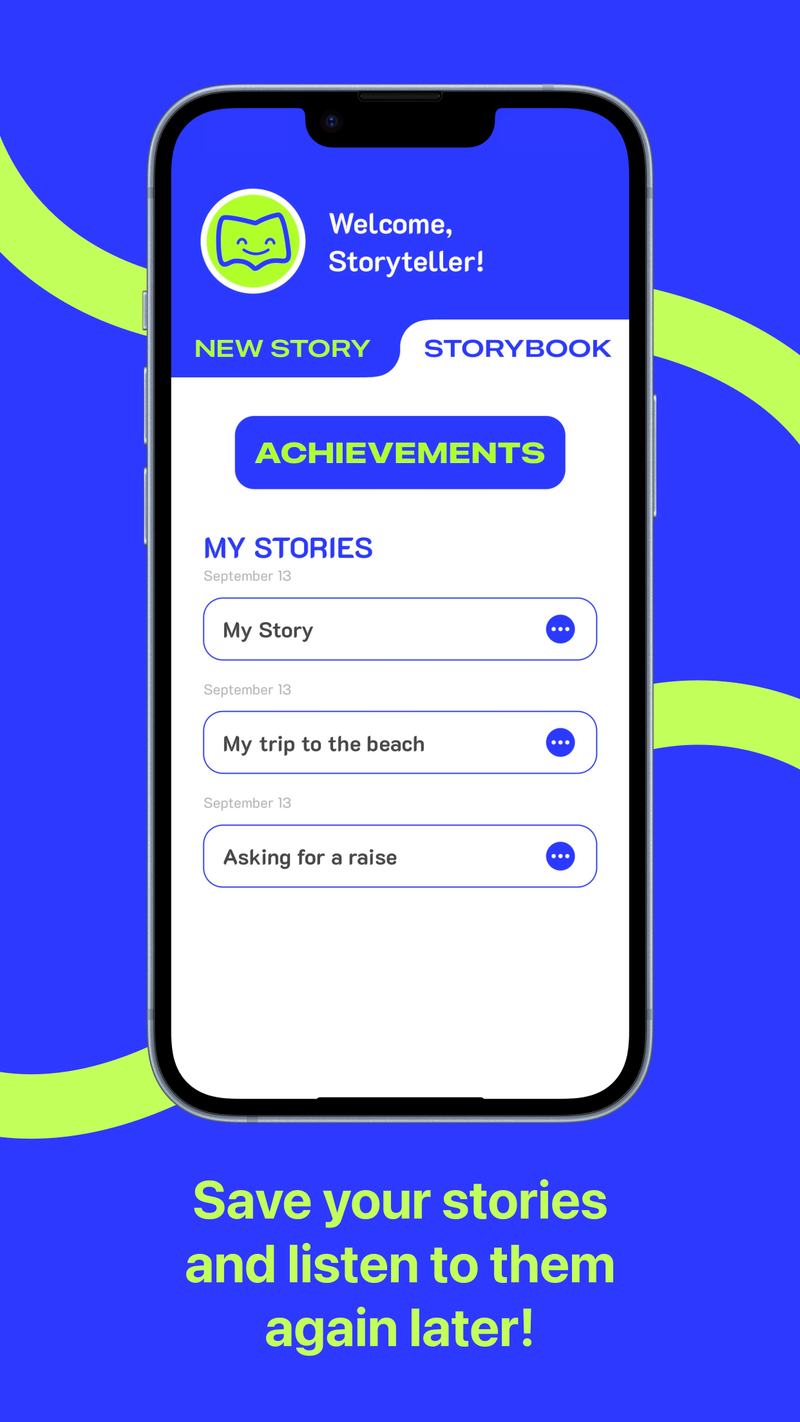
UX insight: A recurring pattern emerged across every group — participants often lost track of which words they had already used, revealing that giving users feedback on already-used words would be a valuable feature for the final app.Insight de UX: Um padrão recorrente surgiu em todos os grupos — os participantes frequentemente perdiam o controle de quais palavras já haviam usado, revelando que dar aos usuários um feedback sobre palavras já utilizadas seria uma funcionalidade valiosa para o app final.
App User ExperienceExperiência do Usuário do App
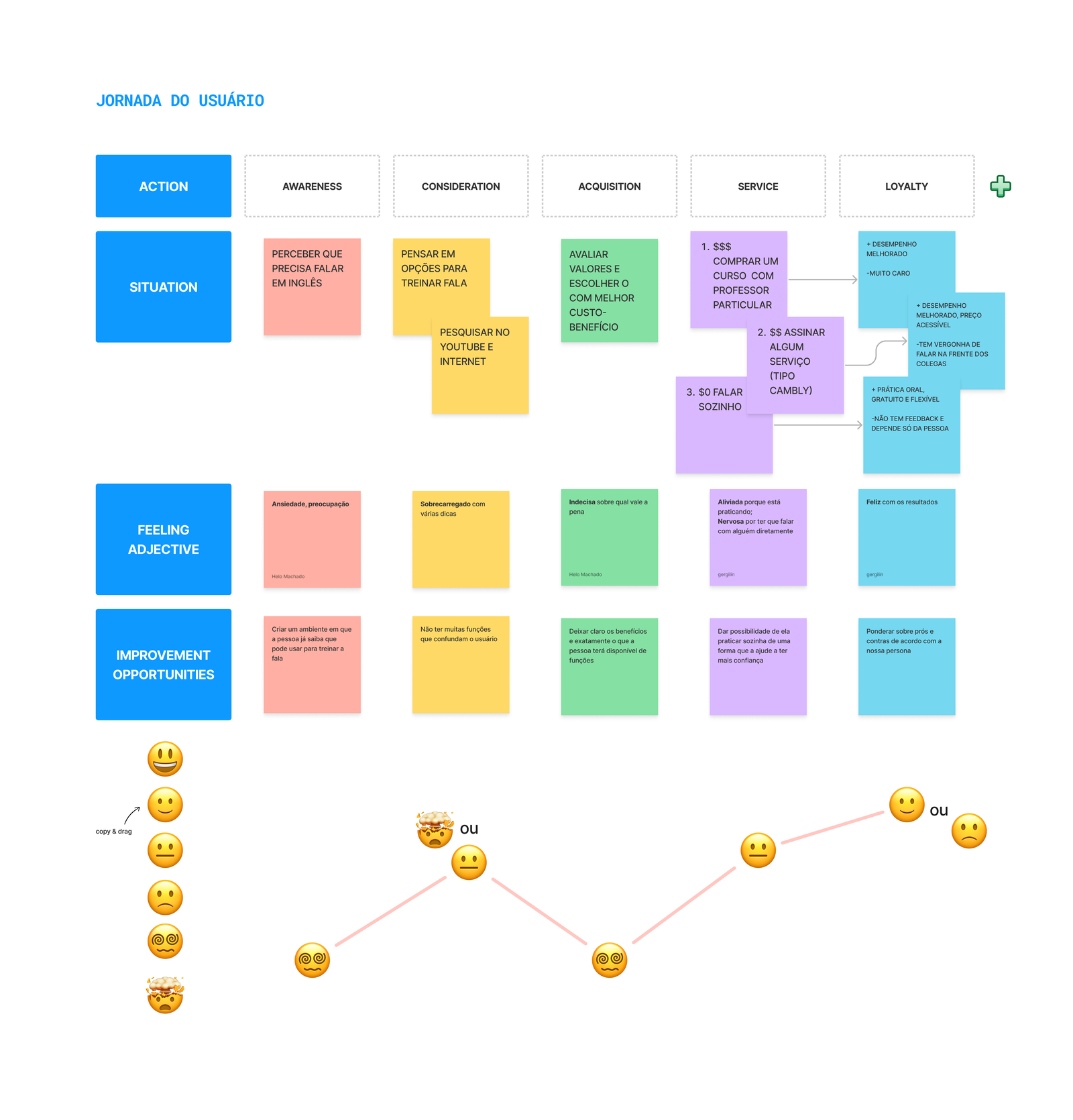
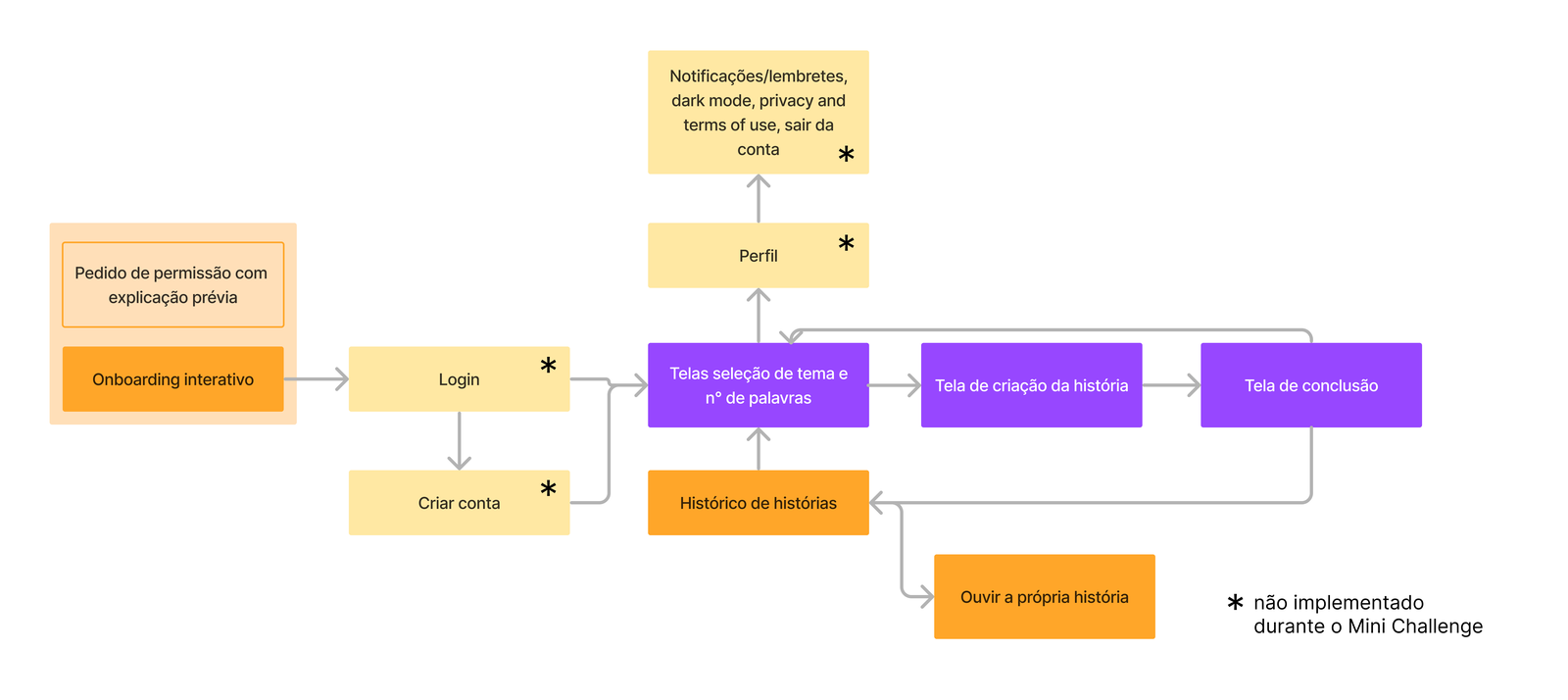
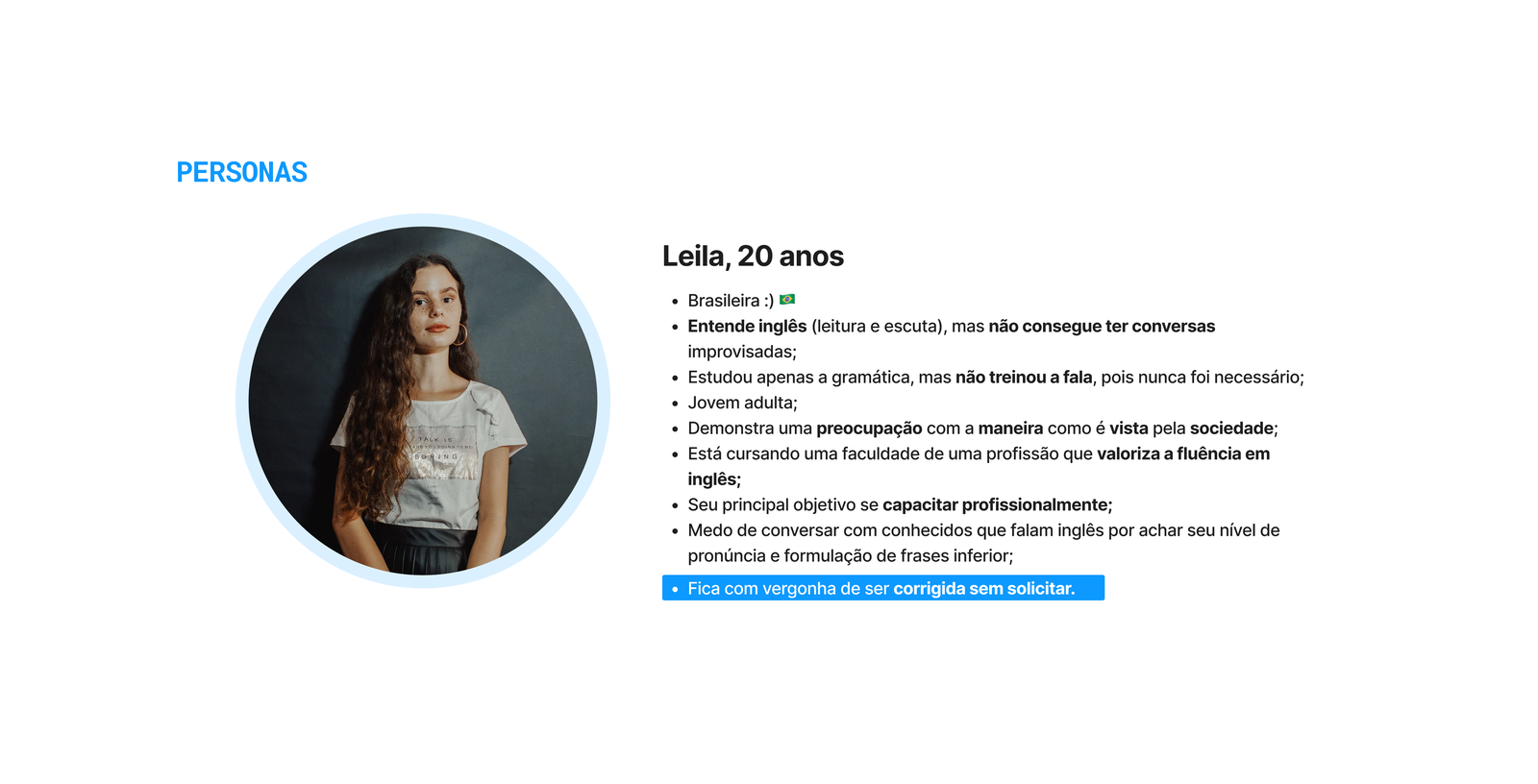
We approached User Experience through a user journey map, a persona, and a value proposition canvas. We also mapped out the app’s user flow, which was fundamental in aligning the team around a shared vision and in creating a concise, coherent experience for the user.Abordamos a Experiência do Usuário por meio de um mapa de jornada do usuário, uma persona e um value proposition canvas. Também mapeamos o fluxo do usuário do app, o que foi fundamental para alinhar a equipe em torno de uma visão compartilhada e criar uma experiência concisa e coerente para o usuário.
User JourneyJornada do Usuário
User FlowFluxo do Usuário
Persona
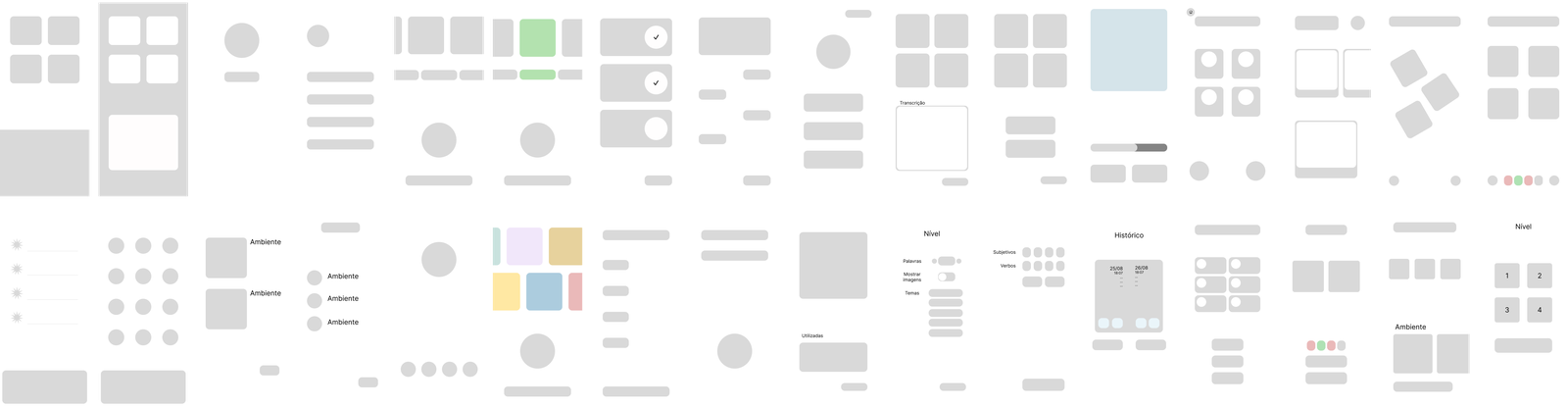
Crazy 8s
User InterfaceInterface do Usuário
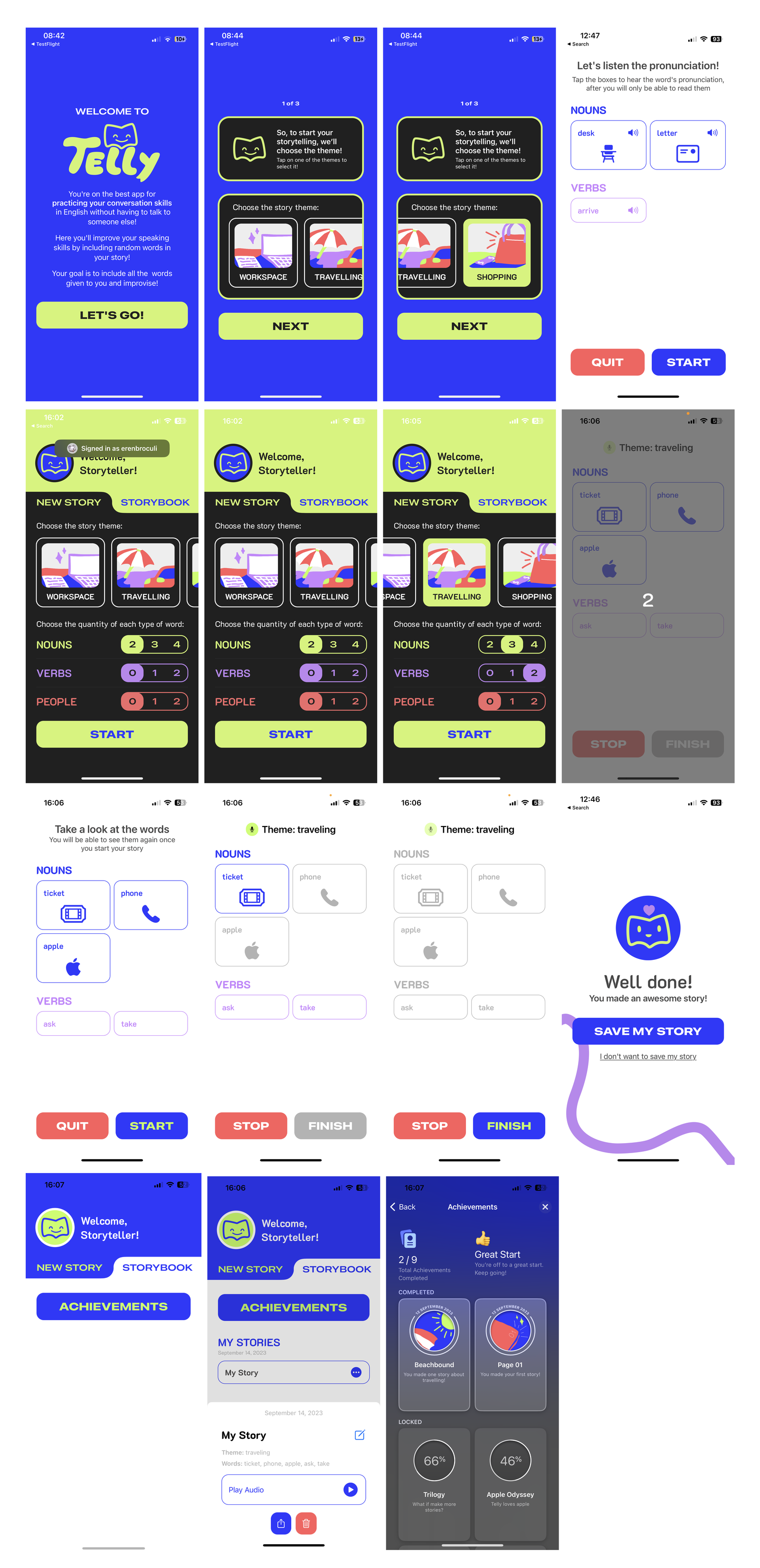
We prioritized feedback on user interactions, both visual and tactile. The images below demonstrate all the interactions within Telly.Priorizamos o feedback nas interações do usuário, tanto visual quanto tátil. As imagens abaixo demonstram todas as interações dentro do Telly.
ResultsResultados
The results of this project go beyond publishing on the App Store, they also validate the goals we set out to achieve.Os resultados deste projeto vão além da publicação na App Store, eles também validam os objetivos que buscávamos alcançar.
The Telly app was tested asynchronously with over 10 people within the Academy, as well as 6 others from outside the institution. This round of testing focused especially on validating the format and structure being developed, allowing us to build something closer to what our intended users actually needed.O app Telly foi testado de forma assíncrona com mais de 10 pessoas dentro da Academy, além de outras 6 pessoas de fora da instituição. Essa rodada de testes focou especialmente em validar o formato e a estrutura em desenvolvimento, permitindo construir algo mais próximo do que nossos usuários realmente precisavam.
Telly was launched on the App Store in 3 different languages and ranked No. 65 in the Education category (2023).O Telly foi lançado na App Store em 3 idiomas diferentes e alcançou a posição Nº 65 na categoria Educação (2023).