


GlicopetGlicopet
Glucose meter + App for Type 1 Diabetic childrenMedidor de glicose + Aplicativo para crianças com Diabetes Tipo 1
A playful graphic interface proposal for a glucometer and companion app designed for children with Type 1 Diabetes.Uma proposta de interface gráfica lúdica para um glicosímetro e aplicativo complementar desenvolvidos para crianças com Diabetes Tipo 1.
- UX researchUX research
- design thinkingdesign thinking
- UX/UI designUX/UI design
- brand designdesign de marca
- character designdesign de personagens
- UI design for childrenUI design para crianças
- medical device designdesign de dispositivos médicos
- user testingtestes com usuários
- 20242024


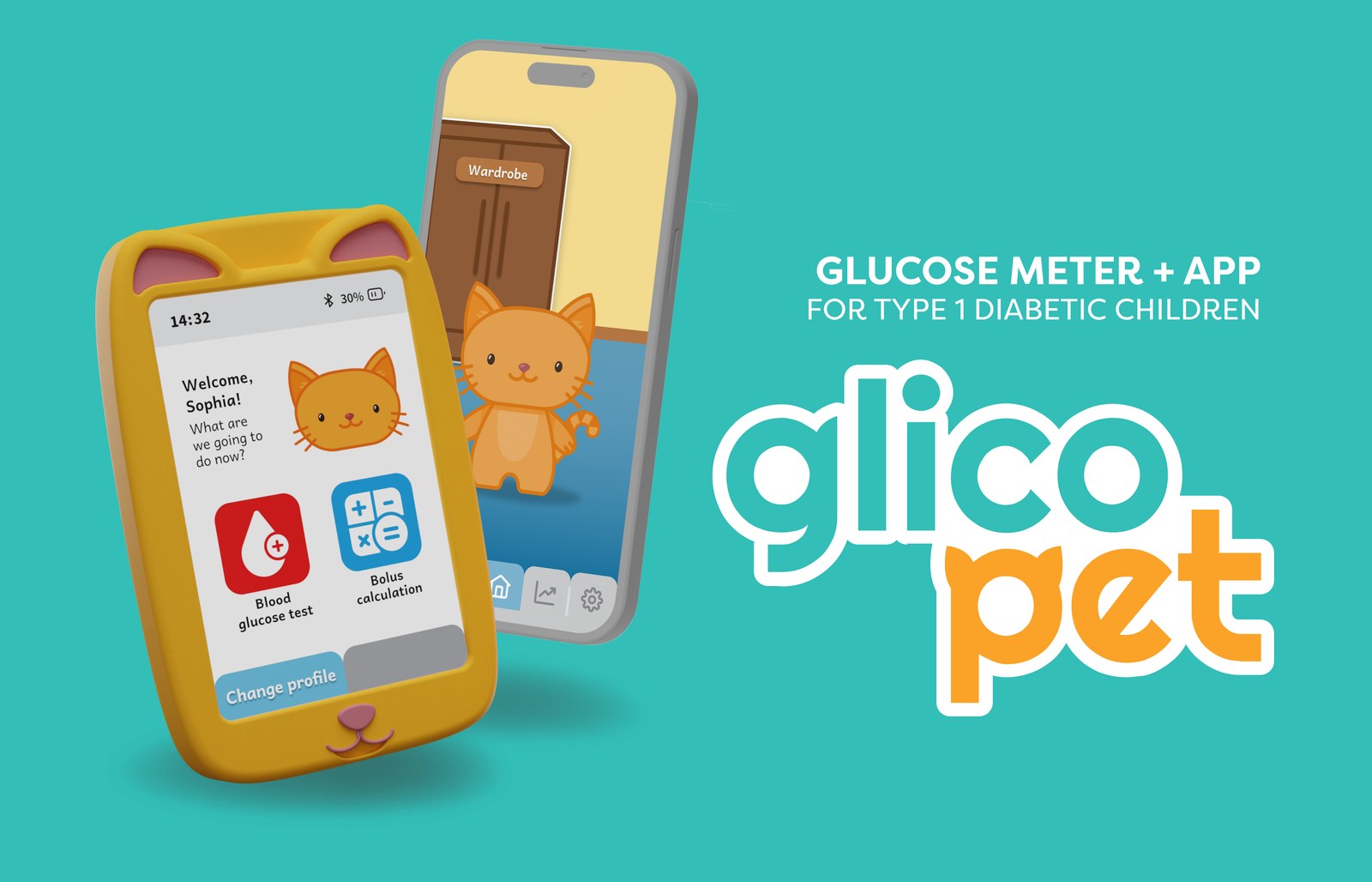
Glicopet is a playful graphic interface proposal for a glucometer (device used daily in diabetes treatment to monitor blood sugar levels) and a complementary app designed for children with Type 1 Diabetes.Glicopet é uma proposta de interface gráfica lúdica para um glicosímetro (dispositivo usado diariamente no tratamento do diabetes para monitorar os níveis de glicose no sangue) e um aplicativo complementar desenvolvido para crianças com Diabetes Tipo 1.
These kids have unique experiences and needs compared to adults, so a product focused on their specific user experience can provide significant health and well-being benefits.Essas crianças têm experiências e necessidades únicas em comparação aos adultos, então um produto focado em sua experiência de usuário específica pode proporcionar benefícios significativos de saúde e bem-estar.
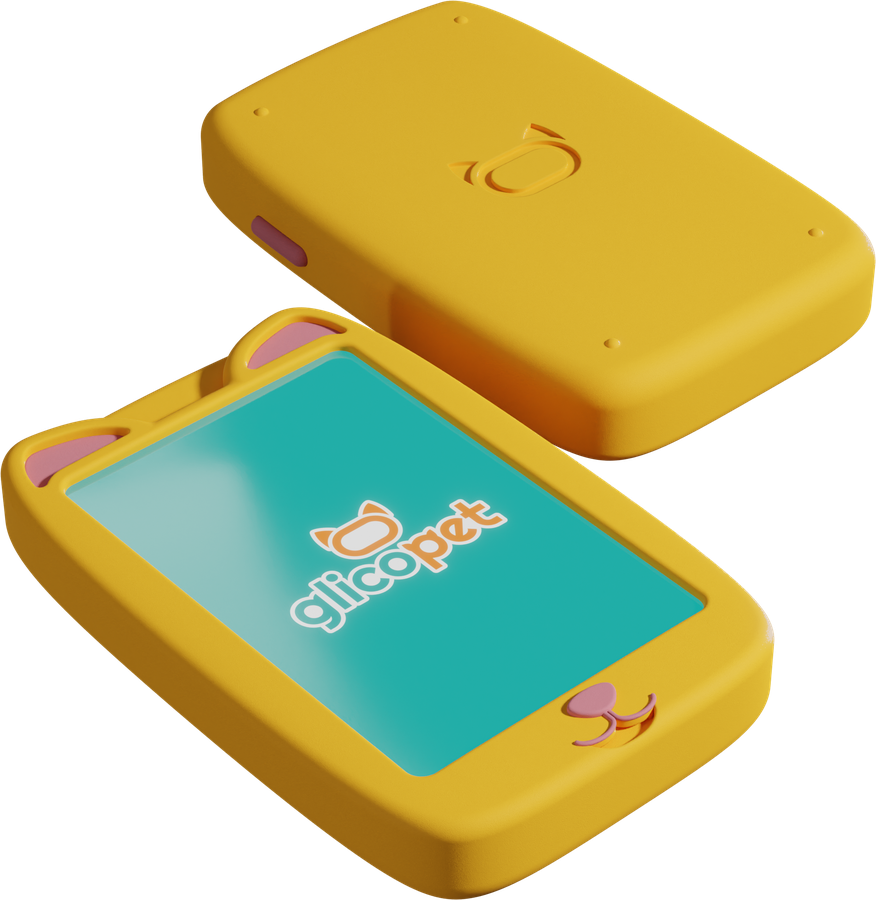
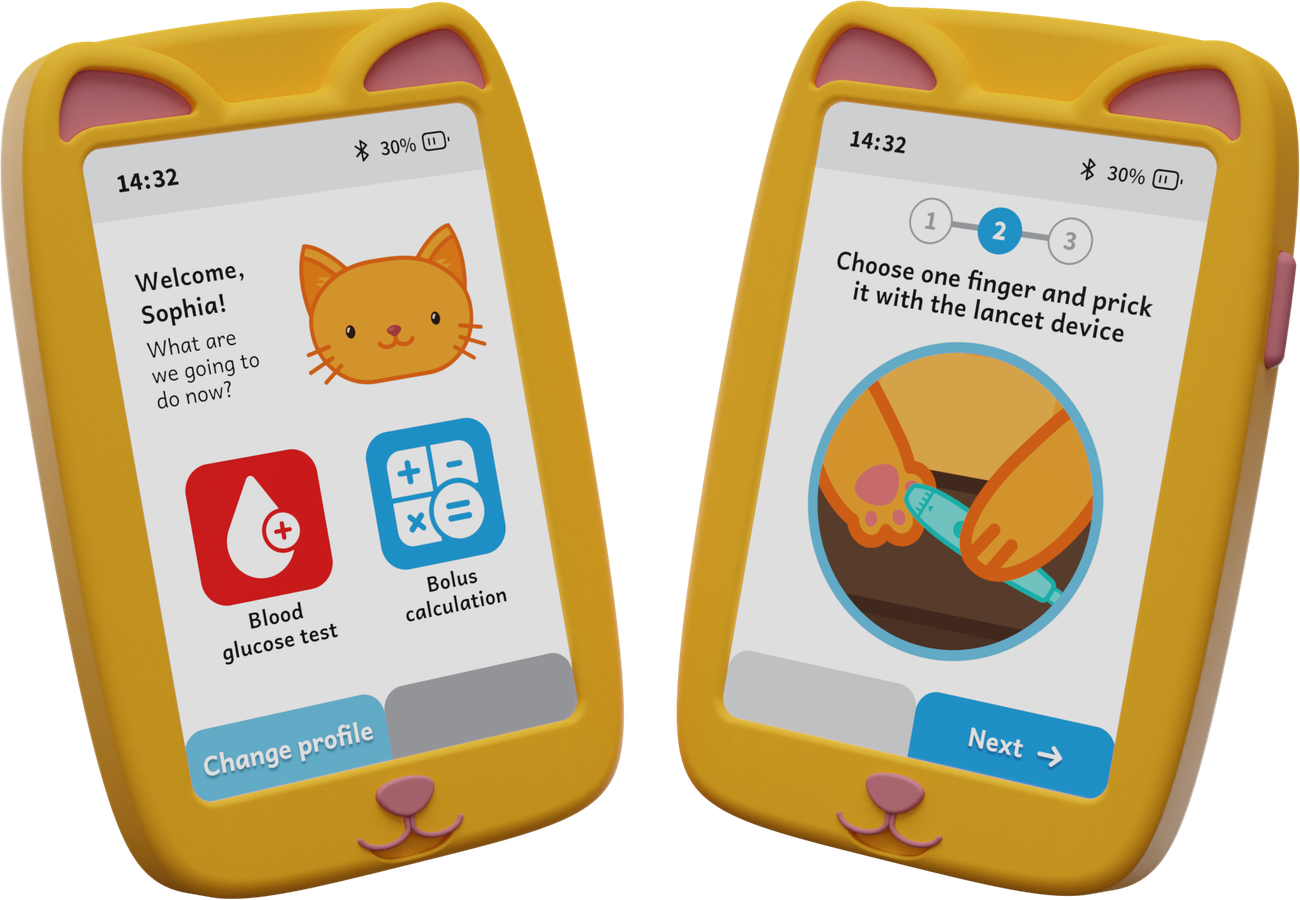
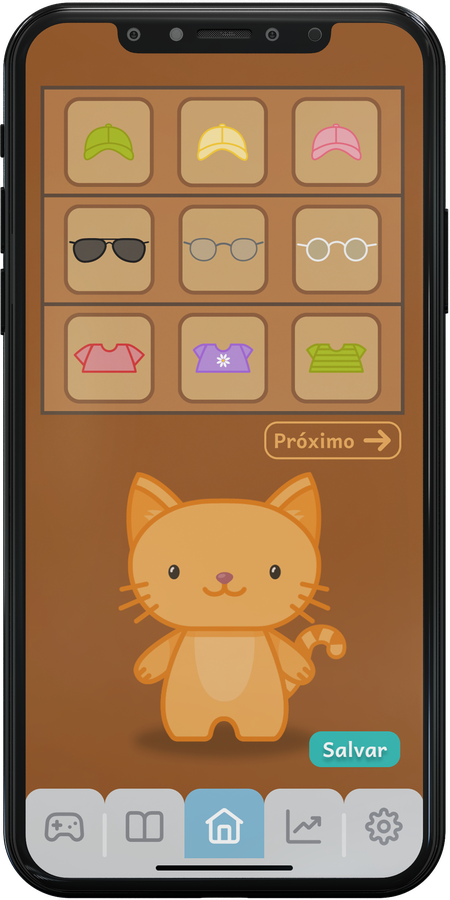
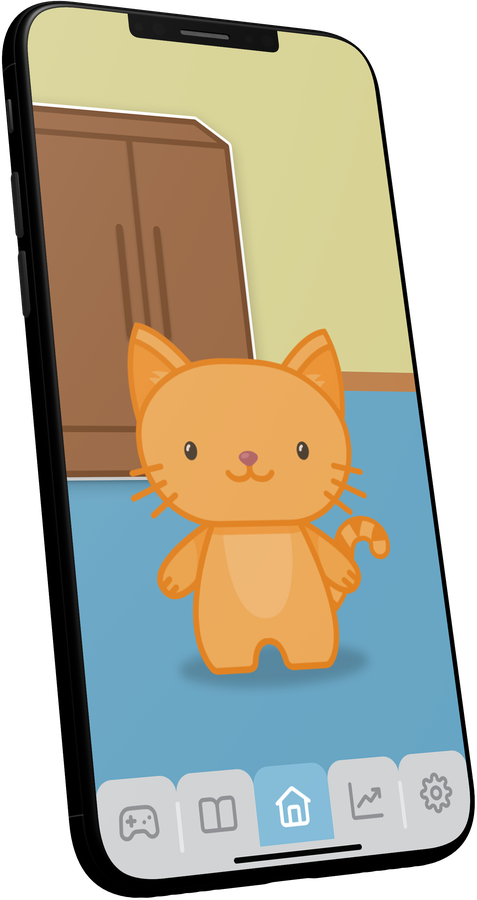
The final concept incorporates a virtual companion pet that promotes treatment adherence, offering customizations, and caregiver monitoring through an auxiliary app.O conceito final incorpora um pet virtual companheiro que promove a adesão ao tratamento, oferecendo personalizações e monitoramento pelos cuidadores por meio de um aplicativo auxiliar.
Problem StatementProblem Statement
Children with type 1 diabetes have few products on the market designed specifically for their needs, yet they are the most vulnerable population to complications from the disease.Crianças com diabetes tipo 1 têm poucos produtos no mercado desenvolvidos especificamente para suas necessidades, mesmo sendo a população mais vulnerável a complicações da doença.
Project GoalObjetivo do Projeto
Developing a glucometer interface that promotes a better user experience for children aged 6 to 10 with Type 1 Diabetes.Desenvolver uma interface de glicosímetro que promova uma melhor experiência do usuário para crianças de 6 a 10 anos com Diabetes Tipo 1.
Design Process HighlightsDestaques do Processo de Design
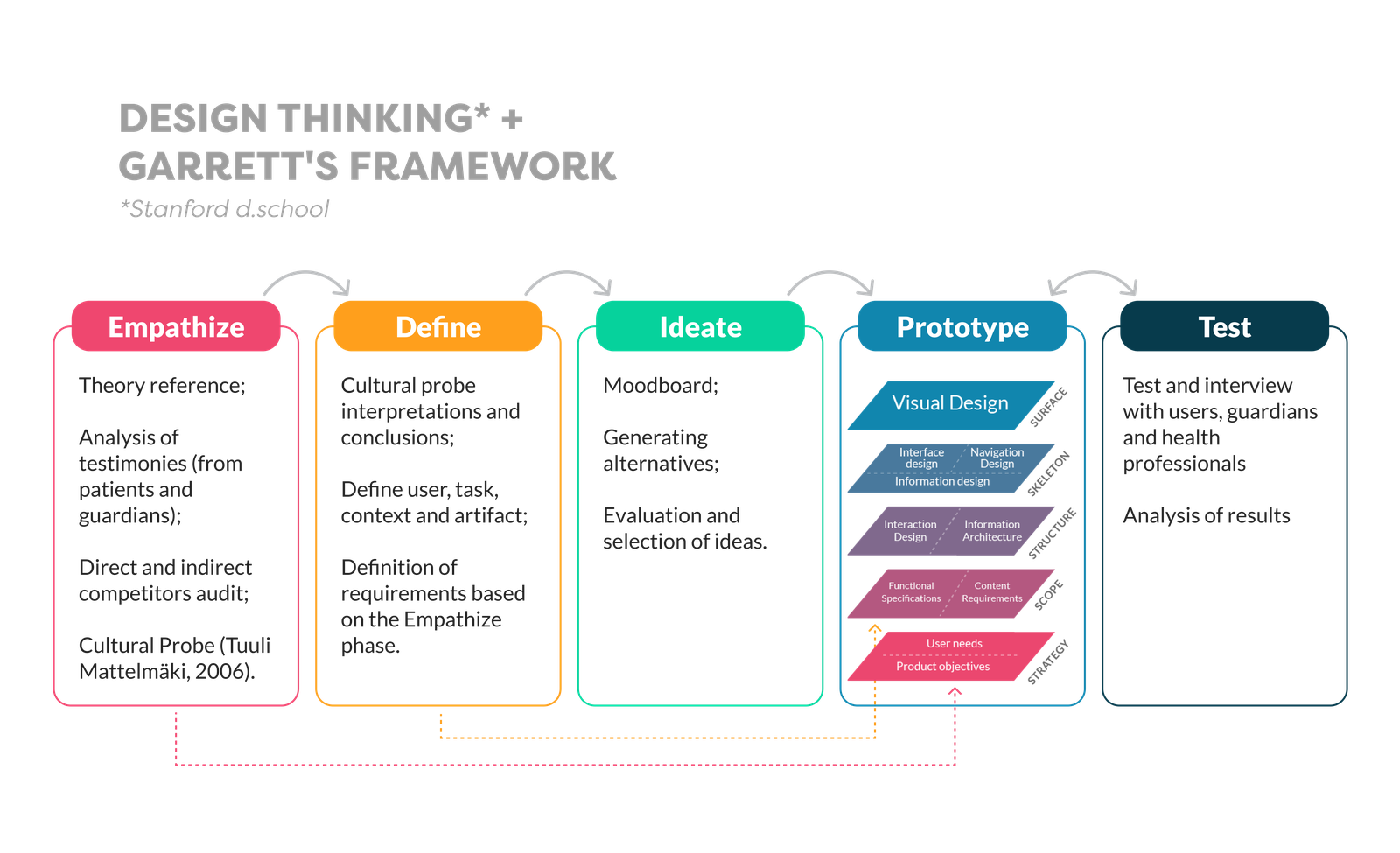
Benchmark ResearchPesquisa de Benchmark
To better understand the context of the glucometers available in Brazil, a benchmark research was carried out on a sample of 10 devices. To do this, a protocol was developed based on the descriptive model for app development and the evaluation checklist by Padovani and Napo (2015).Para compreender melhor o contexto dos glicosímetros disponíveis no Brasil, foi realizada uma pesquisa de benchmark em uma amostra de 10 dispositivos. Para isso, foi desenvolvido um protocolo baseado no modelo descritivo para desenvolvimento de aplicativos e na checklist de avaliação de Padovani e Napo (2015).
Another round of research was made from other products and apps that seek to improve the experience of children with diabetes.Outra rodada de pesquisa foi feita a partir de outros produtos e aplicativos que buscam melhorar a experiência de crianças com diabetes.
Cultural ProbeSonda Cultural
Cultural probes are a method with an exploratory character based on the participation of the future user, through self-documentation.Cultural probes (sondas culturais) são um método de caráter exploratório baseado na participação do futuro usuário, por meio de autodocumentação.
Due to the playful and provocative nature, probes can provide access to personal insights.Devido à sua natureza lúdica e provocativa, as sondas podem proporcionar acesso a insights pessoais.
Kits containing playful activities (drawing, sculpting) and materials such as pencils and modeling clay were distributed to encourage self-expression and gather data on their experiences with glucose monitors. Daily mini-rewards were provided to boost engagement.Kits contendo atividades lúdicas (desenho, escultura) e materiais como lápis e massa de modelar foram distribuídos para incentivar a autoexpressão e coletar dados sobre suas experiências com os medidores de glicose. Mini-recompensas diárias foram oferecidas para aumentar o engajamento.
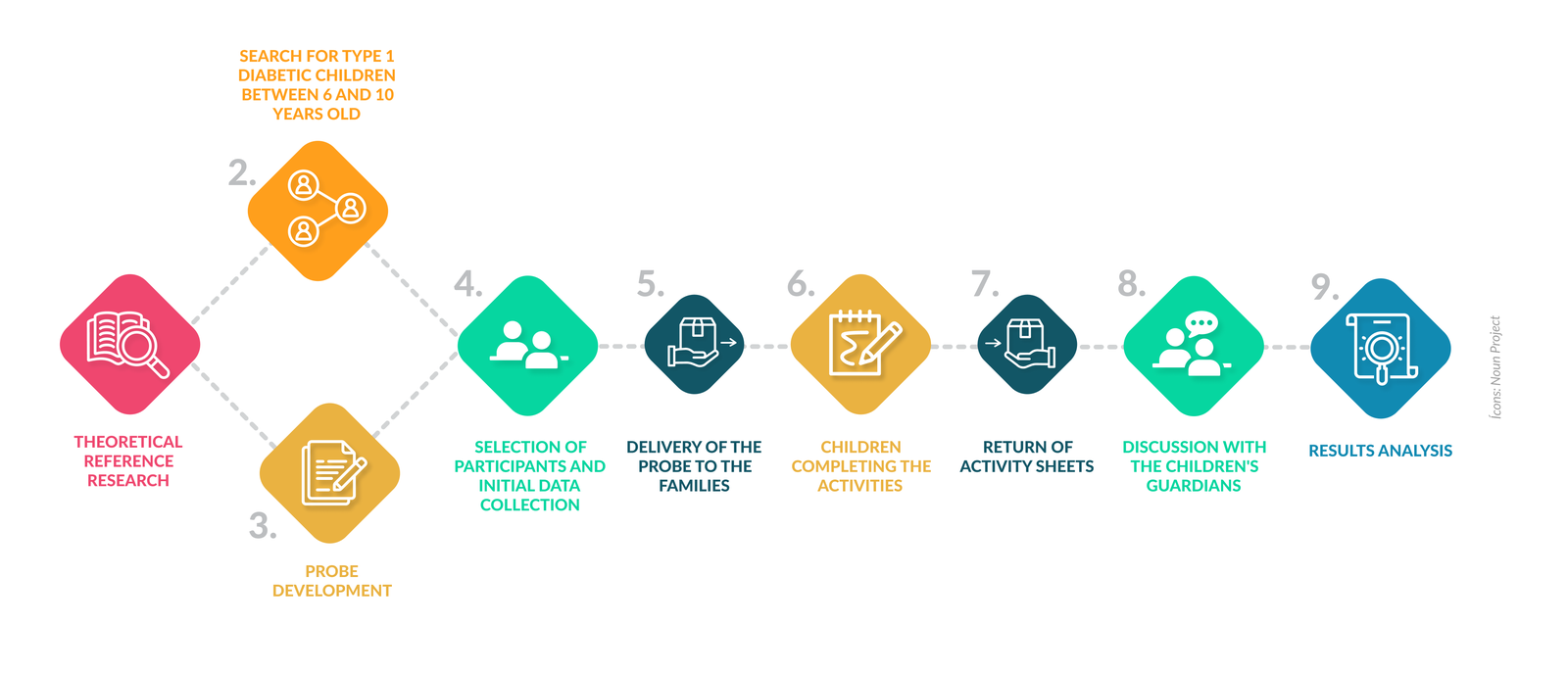
The results of the cultural probe revealed the children’s needs and feelings about diabetes and the glucose meter, which could be directly addressed in the project requirements.Os resultados das cultural probes revelaram as necessidades e sentimentos das crianças em relação ao diabetes e ao medidor de glicose, que puderam ser diretamente incorporados aos requisitos do projeto.
PersonasPersonas
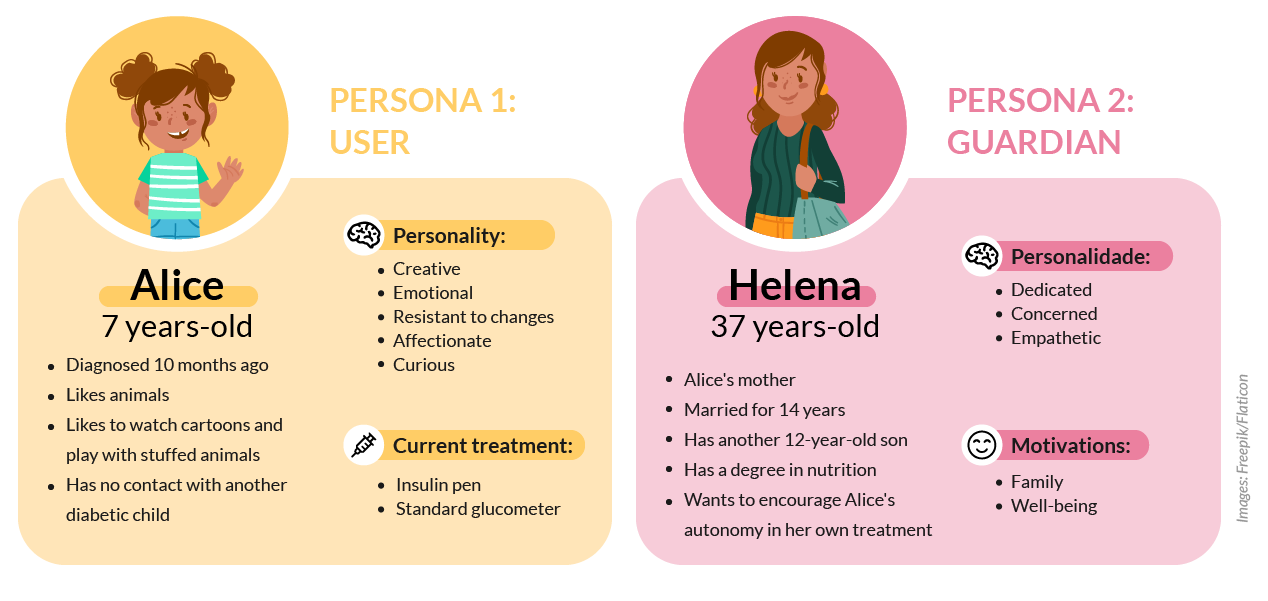
Based on the literature review and desk research and observations from the benchmark research and cultural probe, two personas were created, one being the child user and the other their guardian, each of them with a set of needs and goals.Com base na revisão da literatura, na pesquisa documental e nas observações da pesquisa de benchmark e das cultural probes, foram criadas duas personas, uma sendo a criança usuária e a outra seu responsável, cada uma com seu próprio conjunto de necessidades e objetivos.
Solution StatementSolution Statement
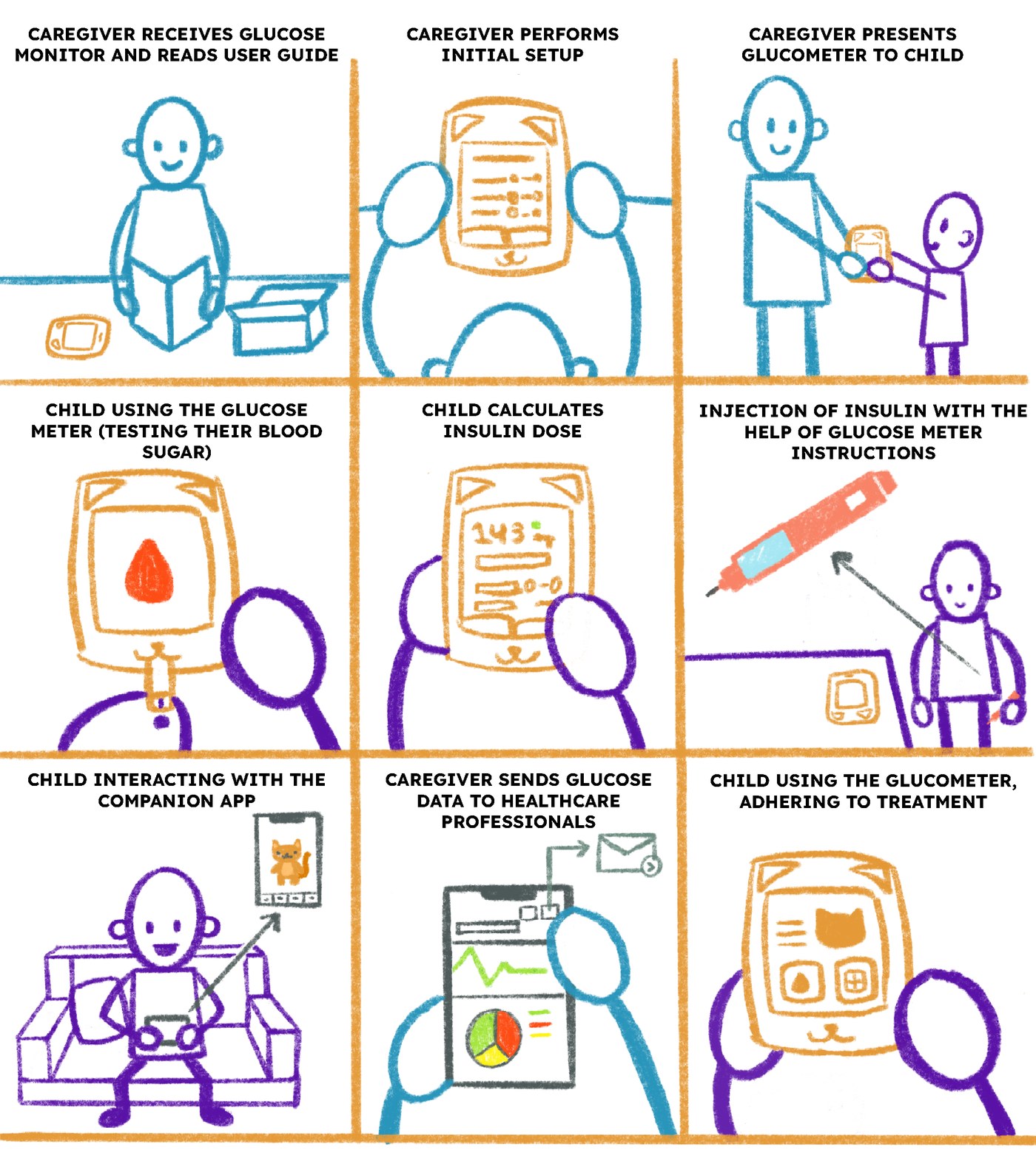
A closed system consisting of a Glucose Meter and an App with a mascot that accompanies and assists in treatment processes such as glucose testing and insulin administration, as well as in fun activities with the character to strengthen the emotional bond between the character and the child.Um sistema fechado composto por um Medidor de Glicose e um Aplicativo com um mascote que acompanha e auxilia nos processos de tratamento, como testes de glicose e administração de insulina, além de atividades divertidas com o personagem para fortalecer o vínculo emocional entre o personagem e a criança.
StoryboardStoryboard
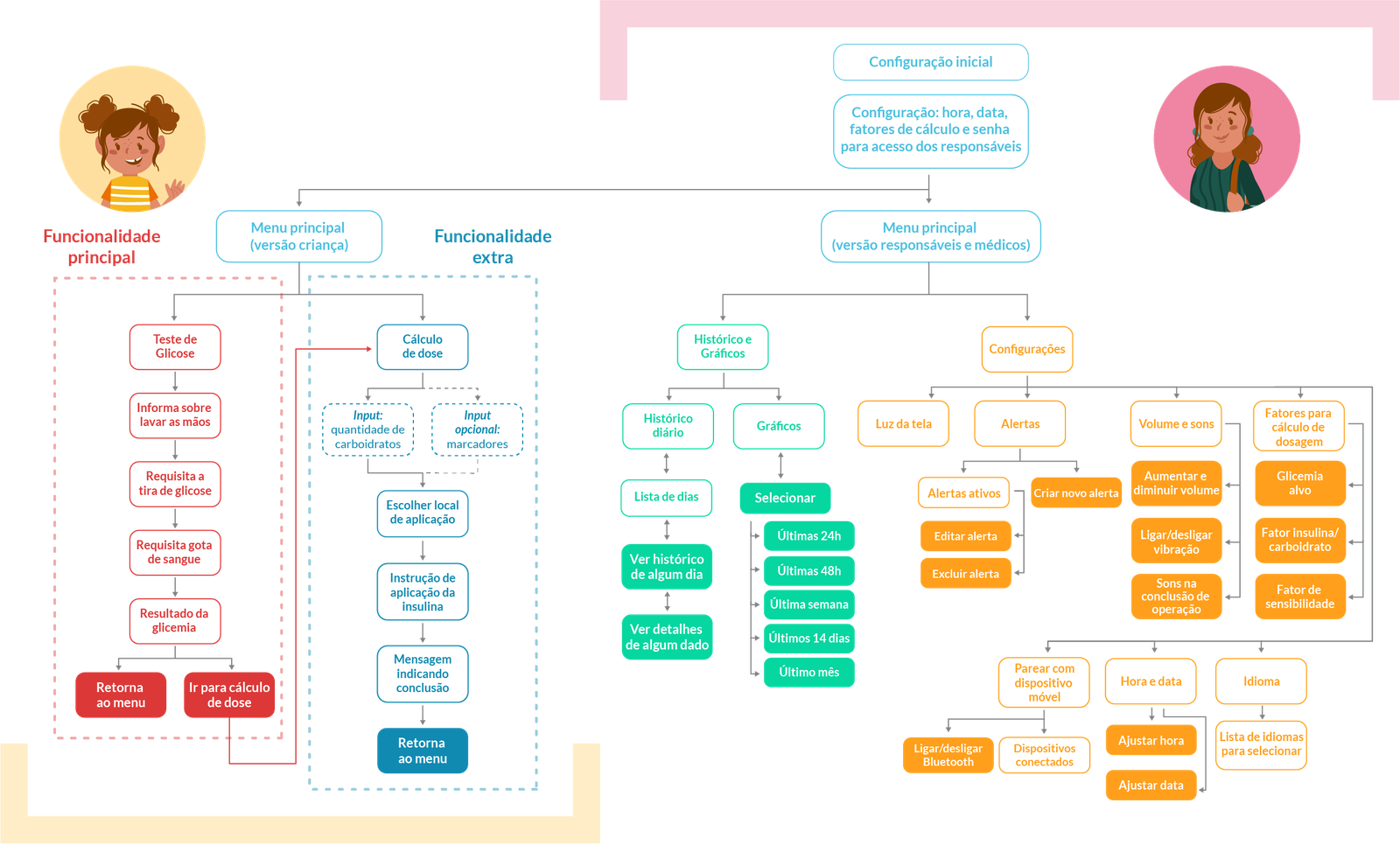
Information Architecture and User FlowArquitetura da Informação e Fluxo do Usuário
Due to the specific nature of the interface, the IA became more complex, necessitating a detailed structure that outlined two distinct paths — one tailored for each type of user (child and guardian). Additionally, the user flow was integrated into the information architecture to provide a more comprehensive approach to how the interface would function.Devido à natureza específica da interface, a arquitetura da informação tornou-se mais complexa, exigindo uma estrutura detalhada que delineasse dois caminhos distintos — um voltado para cada tipo de usuário (criança e responsável). Além disso, o fluxo do usuário foi integrado à arquitetura da informação para proporcionar uma abordagem mais abrangente de como a interface funcionaria.
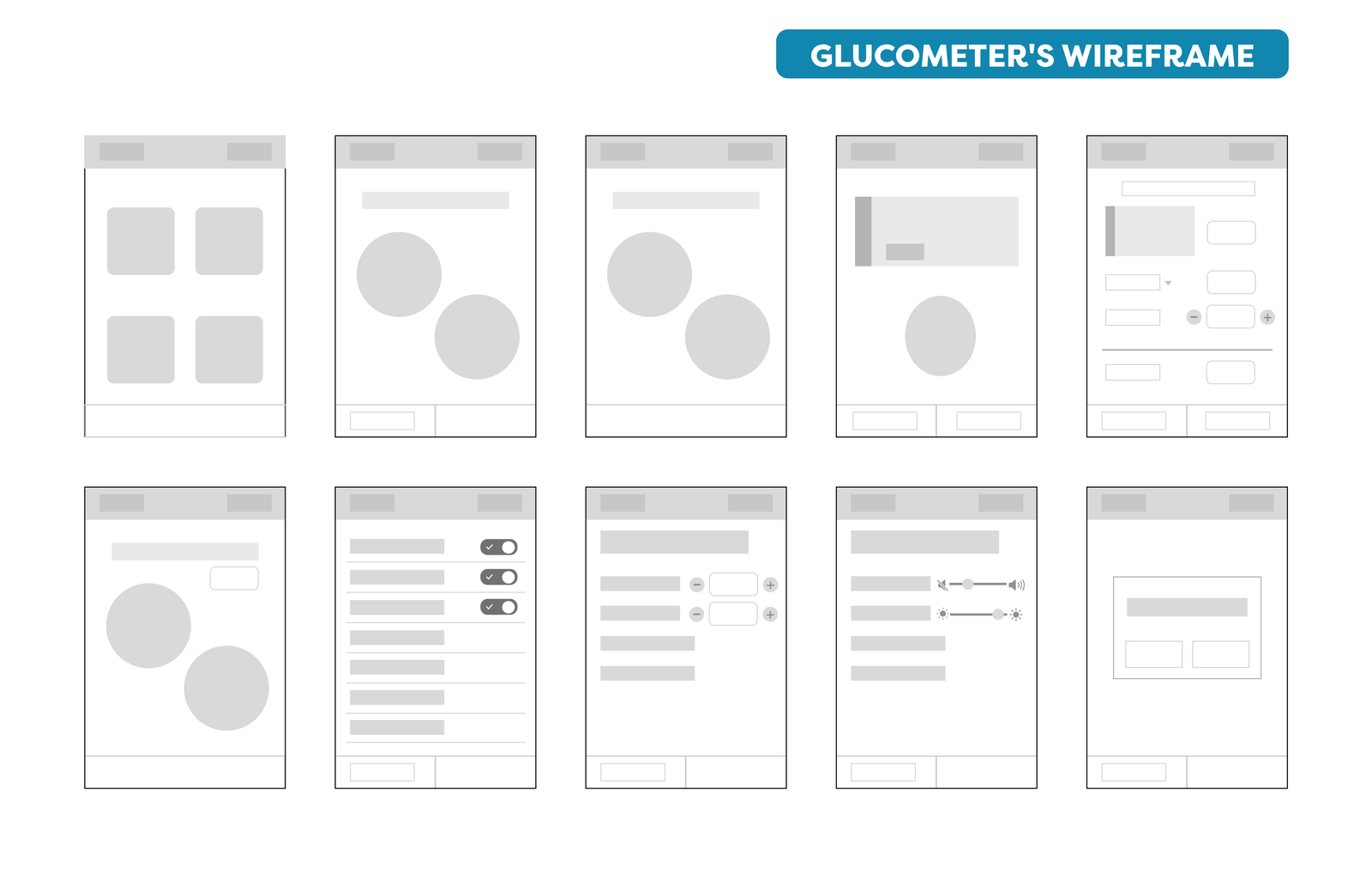
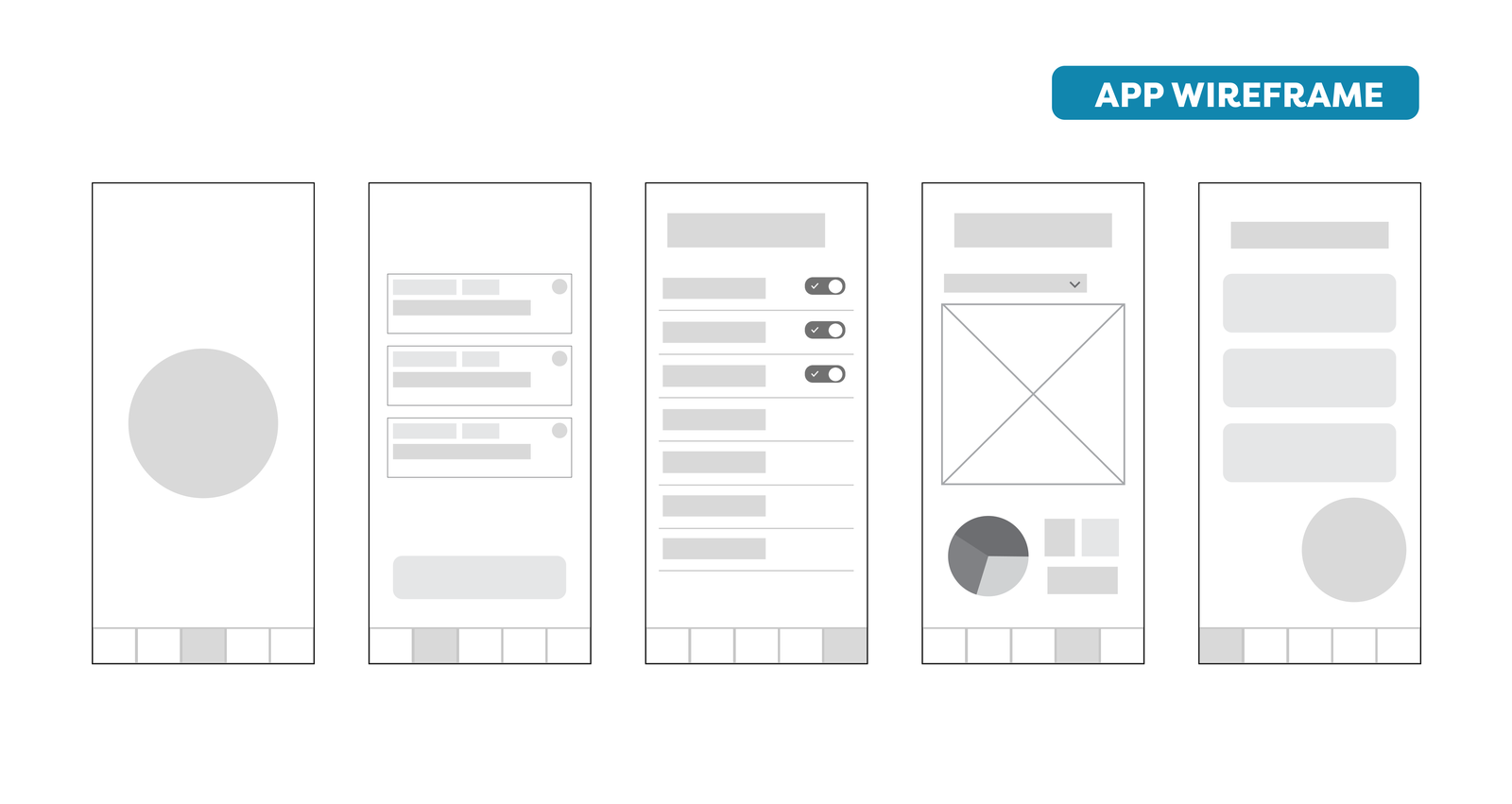
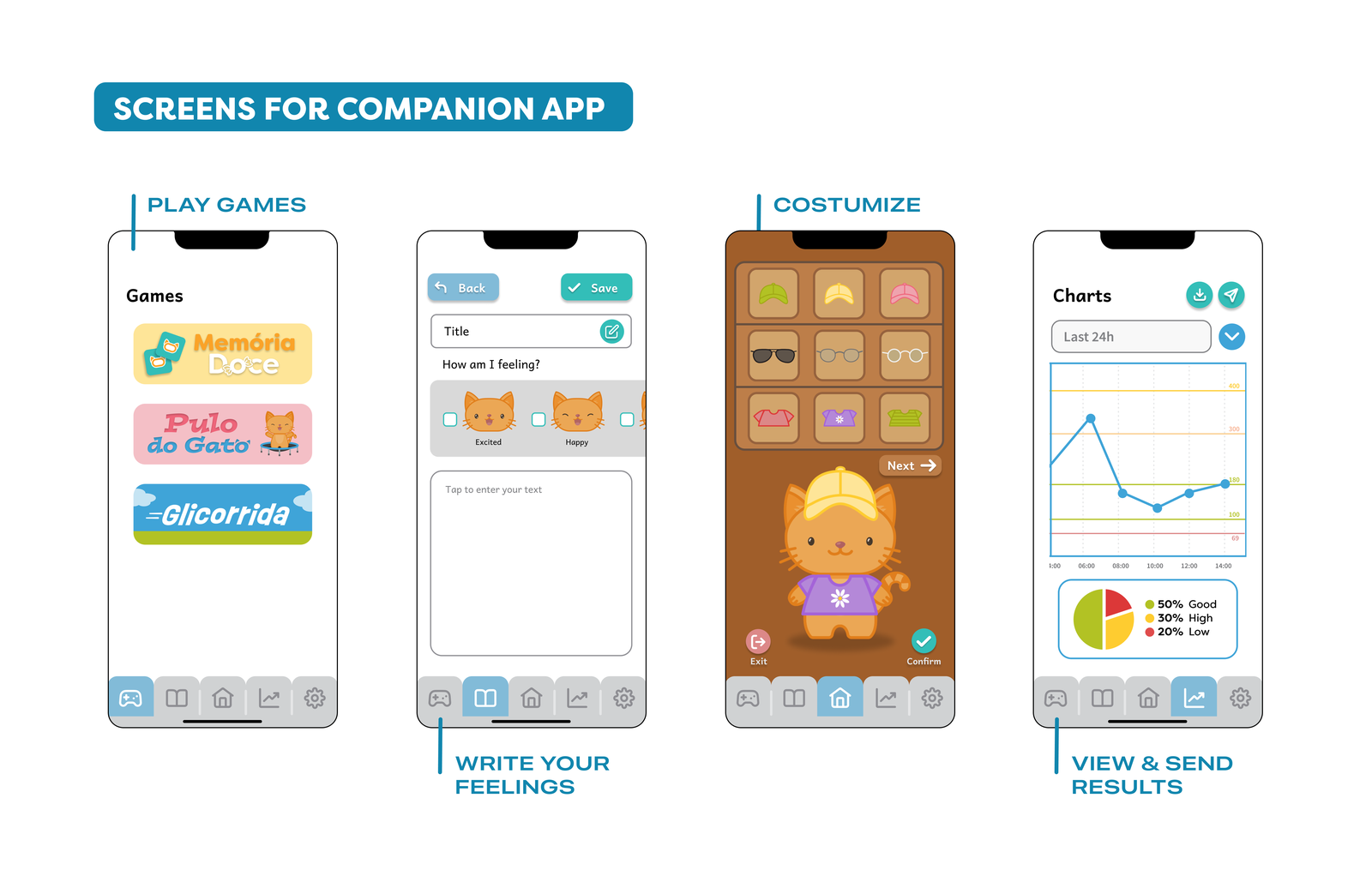
Wireframing and High-fidelity PrototypingWireframing e Prototipação de Alta Fidelidade
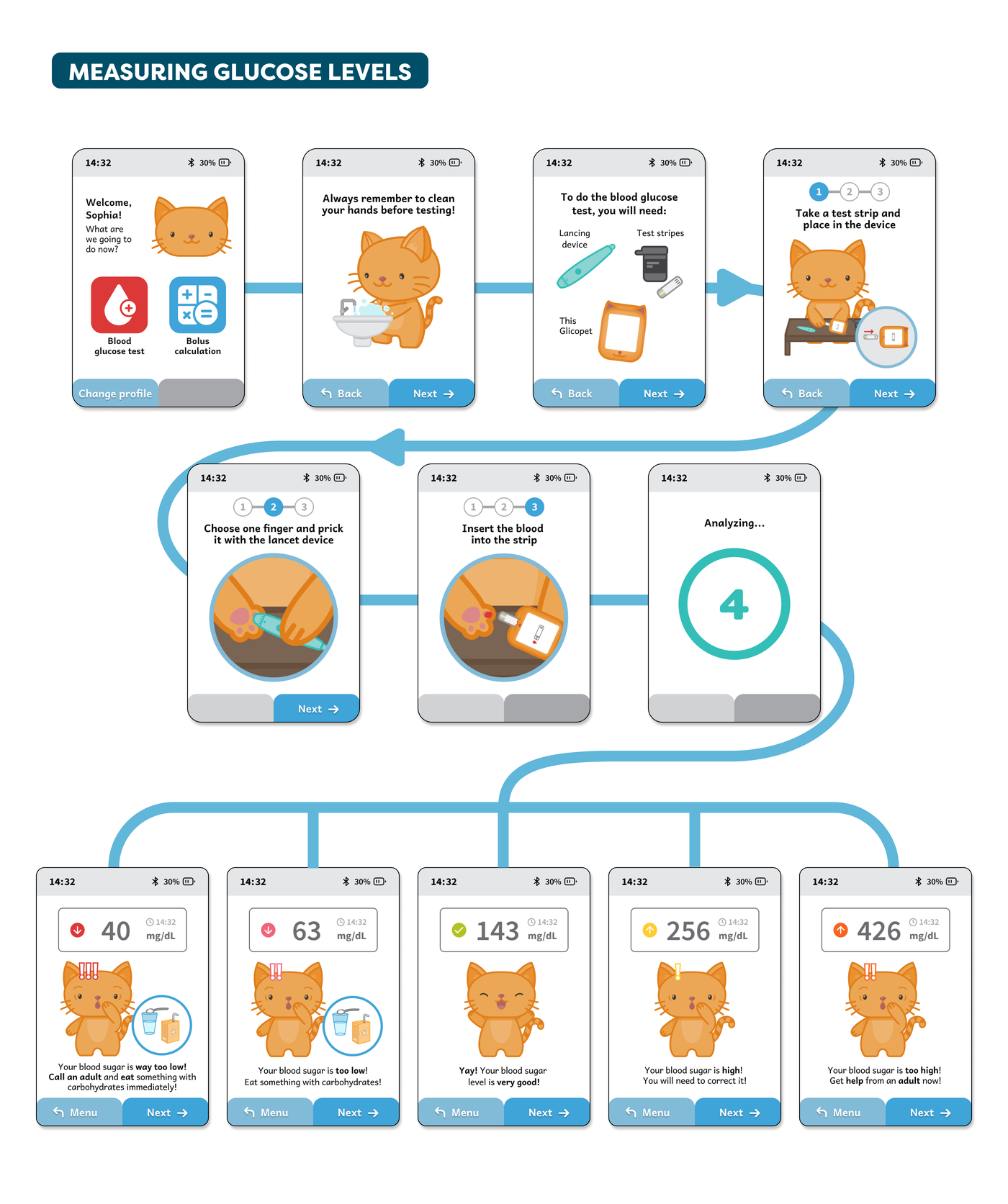
Mockups and final rendersMockups e renders finais
Tests and ValidationTestes e Validação
- Usability Test: Two 9-year-old diabetic children and their mother.Teste de Usabilidade: Duas crianças diabéticas de 9 anos e sua mãe.
- Feedback session with 10 specialists from the Department of Pediatric Endocrinology at the University Hospital.Sessão de feedback com 10 especialistas do Departamento de Endocrinologia Pediátrica do Hospital Universitário.
- Requirements fulfillment analysis and heuristic evaluation (Nielsen’s heuristics).Análise do cumprimento dos requisitos e avaliação heurística (heurísticas de Nielsen).
The tests with children, guardians, and health professionals revealed positive feedback and helped refine functionalities and usability and inspire new ideas. Stakeholder suggestions were valuable for improving the prototype and guiding future implementations. Additionally, evaluations using Nielsen’s heuristics offered critical insights into design decisions and their impact on project goals.Os testes com crianças, responsáveis e profissionais de saúde revelaram feedback positivo e ajudaram a refinar funcionalidades e usabilidade, além de inspirar novas ideias. As sugestões dos stakeholders foram valiosas para aprimorar o protótipo e guiar implementações futuras. Além disso, as avaliações usando as heurísticas de Nielsen ofereceram insights importantes sobre as decisões de design e seu impacto nos objetivos do projeto.
ResultsResultados
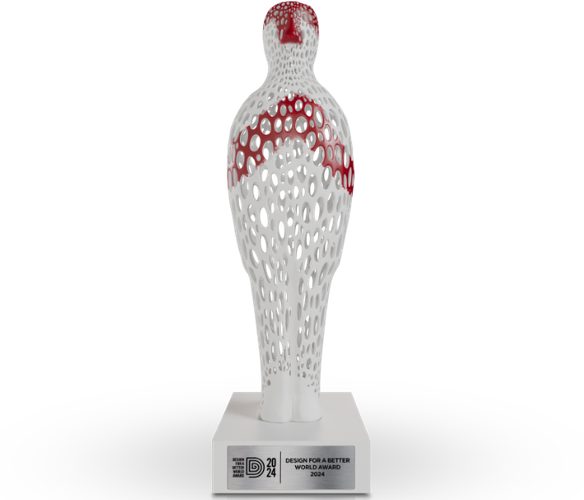
Winner in the Concept category of the Design for a Better World Award 2024, an award that highlights solutions for a brighter world, presenting the latest innovations for a positive impact.Vencedor na categoria Conceito do Design for a Better World Award 2024, um prêmio que destaca soluções para um mundo melhor, apresentando as últimas inovações com impacto positivo.
Glicopet was also awarded Student Bronze in the Digital Design category at the 14th Brazilian Design Awards 2024, held by ABEDESIGN — the Brazilian Association of Design Companies, which is the sector’s biggest award in the country, recognising projects and initiatives that have an impact on design in Brazil and internationally.Glicopet também recebeu o prêmio Bronze Estudantil na categoria Design Digital no 14º Prêmio Brasileiro de Design 2024, promovido pela ABEDESIGN — Associação Brasileira das Empresas de Design, o maior prêmio do setor no país, reconhecendo projetos e iniciativas com impacto no design no Brasil e internacionalmente.